Meta Muse alternatives: personal AI agents compared
Worried about Muse's privacy slips or outside its five countries? Grok Bot is the most capable, Poke the easiest free swap, Lindy the one that never trains on you.
At a glance







The most capable Muse alternative is Grok Bot, which works the same way, on a cloud computer that keeps going when you close the app, but adds several Bots and scheduled routines for $30 a month. If you want something free with no payment card, use Poke, an assistant you text in iMessage or Telegram. If privacy is why you’re leaving, Lindy says it never trains on your data, and OpenClaw keeps everything on your own machine.
Why people look for Muse alternatives
Muse, Meta’s personal agent, became one of the fastest-growing apps of the autumn by doing something new for a mainstream audience: you message it like a person, and it uses its own cloud computer to send email, book travel and shop for you. The reasons people look elsewhere are mostly about trust and reach.
- Overstepping permissions. Fortune reported Muse giving a user’s home address to a Facebook Marketplace buyer, who then turned up at his door; he had granted “always allow” permissions when connecting Marketplace. The Guardian collected other early reports, including a writer who said it read private messages against his settings.
- It learns about people who never signed up. Time reported that Muse builds up information about people mentioned in the chats and emails it reads, including non-users.
- Training by default. Your interactions train Meta’s AI models unless you opt out.
- Few countries, a card to start and an unpublished free limit. Muse is only in the US, Canada, Japan, Singapore and Mexico. It needs a payment card even for the free tier, and Meta doesn’t publish the free allowance.
- Not in your chat apps yet. Chatting with Muse in WhatsApp is only in limited testing, so for most people it lives in its own app. That is why it misses the chat-app point on our checklist.
How we ranked them
Muse is built for people who don’t want to set anything up, so hosted tools you can sign up for today come first, ranked by our rating (in the table above; it weighs the checklist of acts in your accounts, works while you’re away, messages you first, lives in your chat apps and runs several bots, along with setup effort, price and availability) and then by price. Waitlisted and self-hosted tools follow. Instinct, Muse’s most direct rival, is left out because it is invite-only.
1. Grok Bot: most capable, no free plan
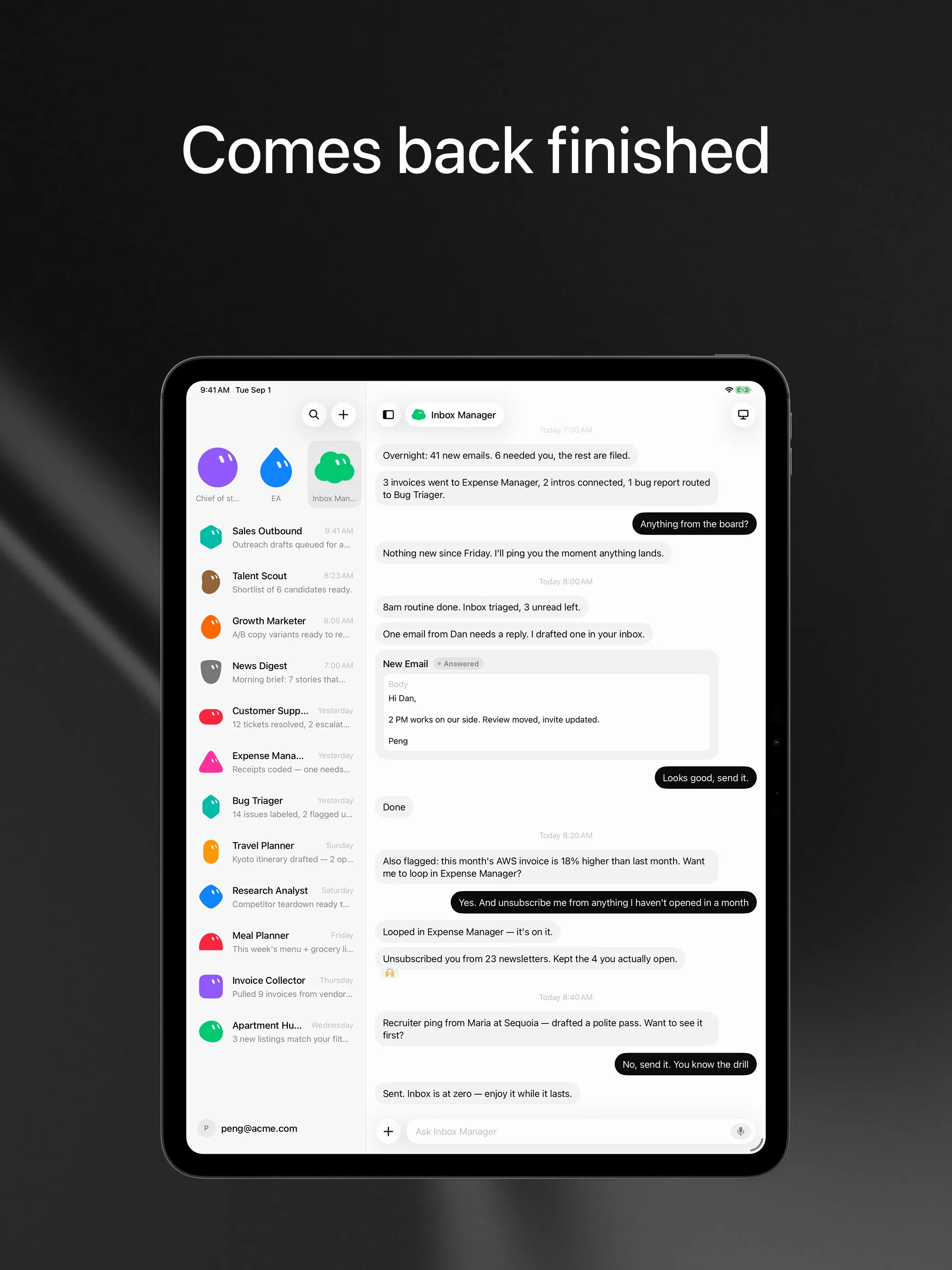
Grok Bot works the way Muse does, on a cloud computer with a browser that keeps going when you close the app, but goes further: several named Bots, scheduled routines, saved logins it never sees in plain text, learning a task from a recorded demonstration, and phone calls to US businesses. It asks before sensitive actions and has apps for every desktop OS, iOS and Android. It does everything on our checklist.
What you give up: a free tier. It starts at $30 a month in The X Subscription, and over Halloween weekend users ran out of weekly usage days early. It doesn’t solve the shopping gap either: Amazon has blocked Muse, and users report it blocks Grok Bot too. It is aimed more at work routines than family errands, and it’s still beta.
2. Poke: free, no card, lives in your texts
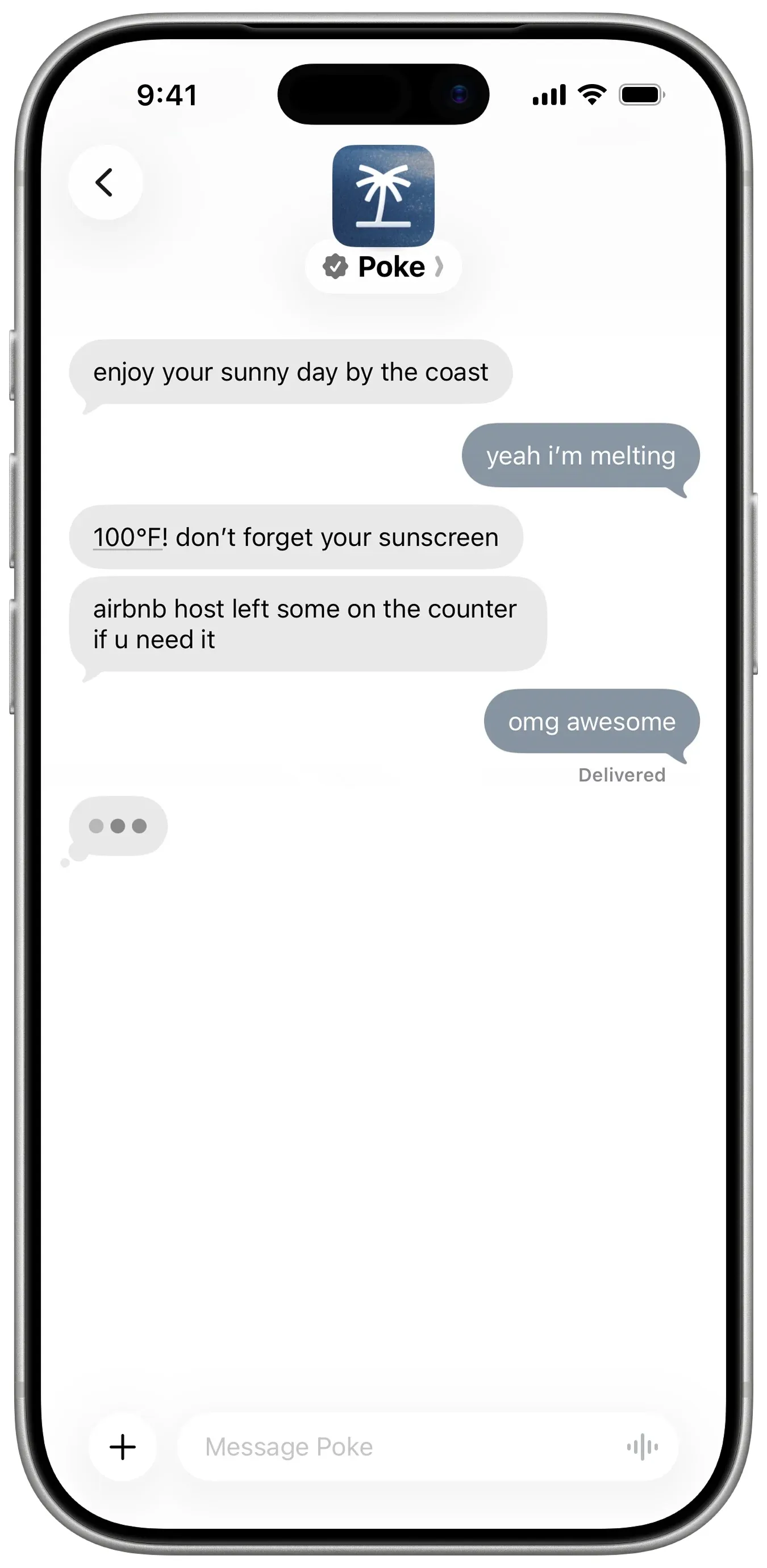
Poke is the easiest swap for anyone put off by Muse’s card requirement. You sign up with a phone number, with no card, and text it over iMessage, SMS or Telegram. It connects to your email, calendar and many other apps, runs automations, and messages you first when something needs attention. Pro is $19 a month.
What you give up: the errand-running and the privacy fix. Poke focuses on your inbox, calendar and apps; real-world tasks such as reservations come through Poke Human on the $199 Ultra plan. It trains on your data unless you choose Maximum Privacy, and it doesn’t say which models it uses.
3. Lindy: never trains on your data
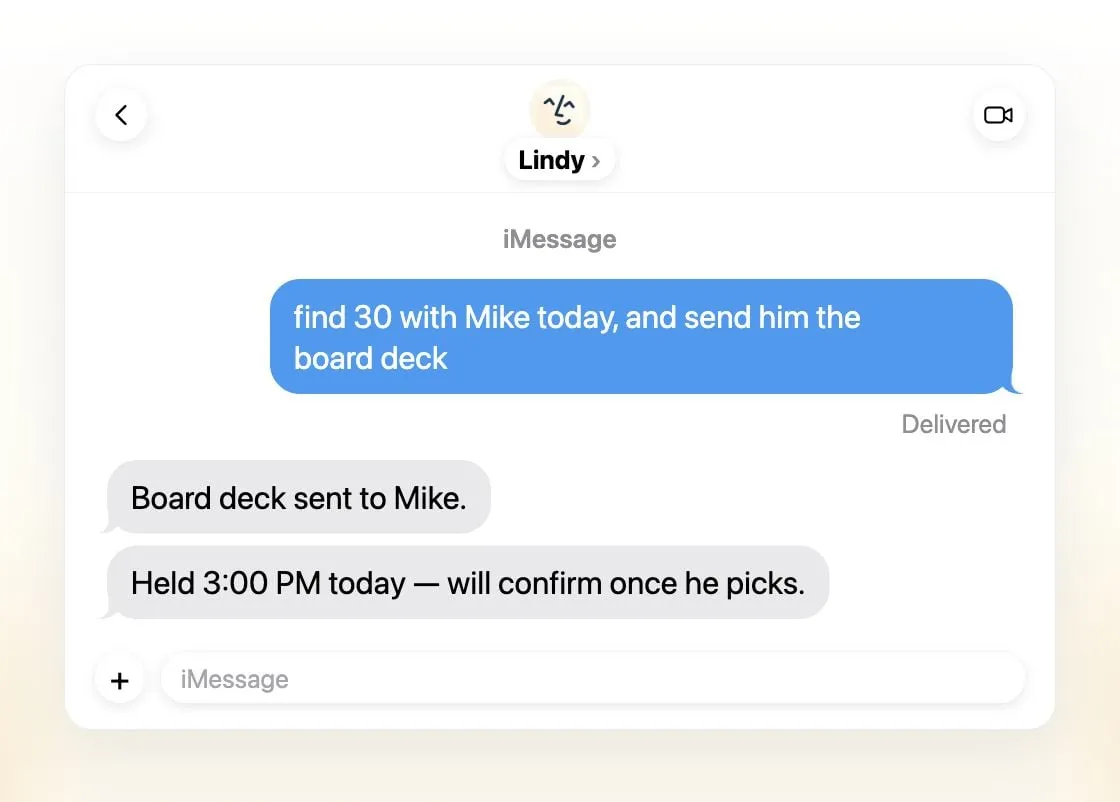
Lindy is the pick if Muse’s training default is what bothers you: it says your data is never sold, shared or used to train models. It handles email, scheduling, meeting prep and daily briefs, asks for approval before anything with outside impact, and you reach it by iMessage, SMS, Slack, a phone number or the web.
What you give up: price and the personal focus. Paid seats start at $49.99 per user a month, free credits expire after 7 days, and Lindy is built for work rather than shopping and travel.
4. dots: if you already pay for ChatGPT Pro
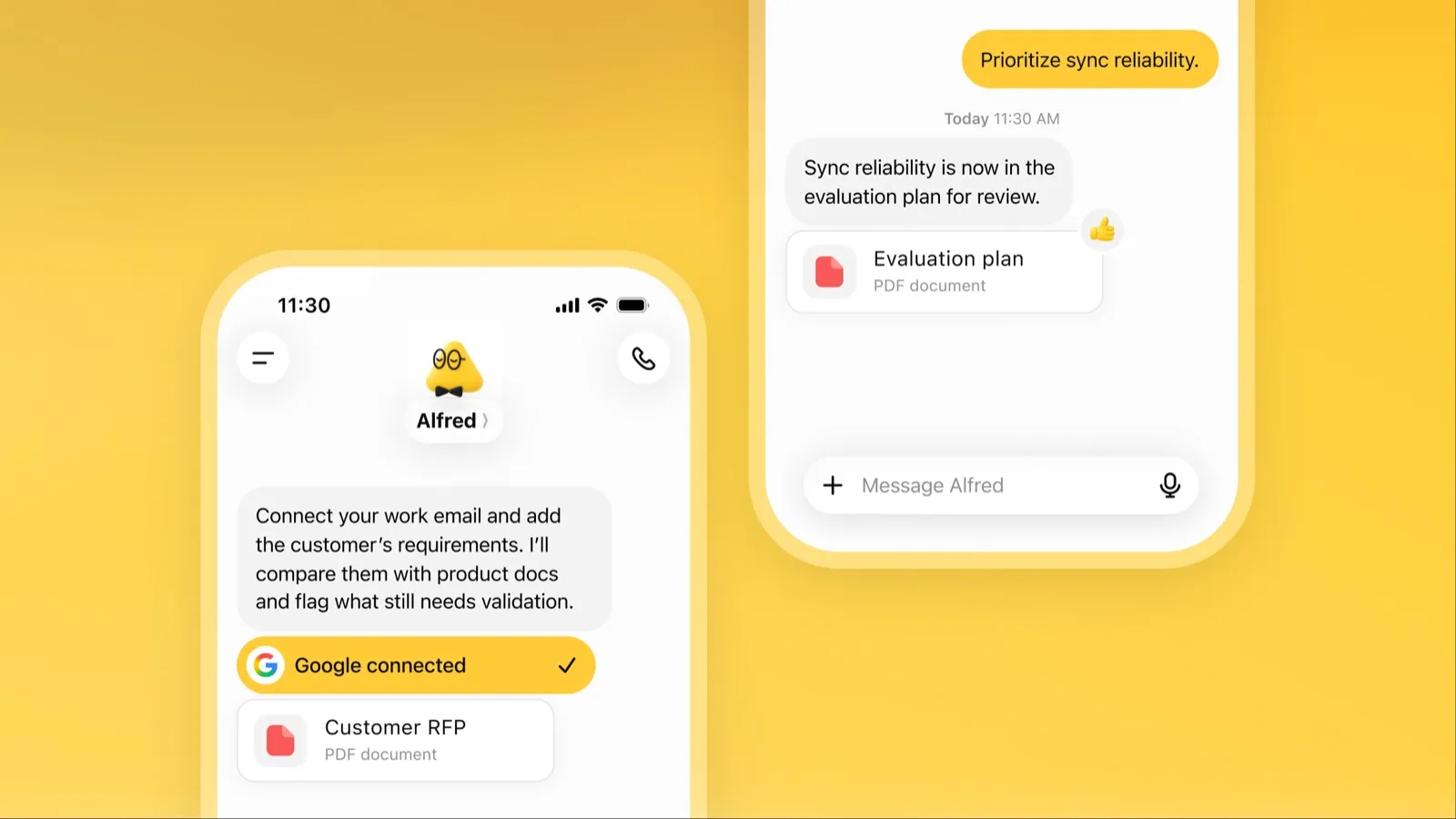
dots is OpenAI’s always-on agent inside ChatGPT, with its own cloud computer and browser. It works on your goals between chats, connects to over 4,000 apps, and comes back with finished work or decisions to make. You can reach it in ChatGPT, Slack and Microsoft Teams.
What you give up: price and privacy. It needs ChatGPT Pro from $100 a month, Pro access excludes the EEA, the UK and Switzerland, and Pro content trains OpenAI’s models unless you opt out.
5. Claude Duet: careful with your money, waitlist only
Claude Duet is Anthropic’s proactive agent app. It works on a cloud computer, sends a morning brief from your email and calendar, and asks before sending, paying, signing or deleting; it blocks trading and moving money even with approval, and pays with one-time card numbers. It comes at no extra cost on Claude Pro ($20 a month) during the preview.
What you give up: access. It is a waitlisted, US-only research preview, shares Claude’s usage limits, and lives in its own app rather than your chat apps.
6. OpenClaw: most private, most work
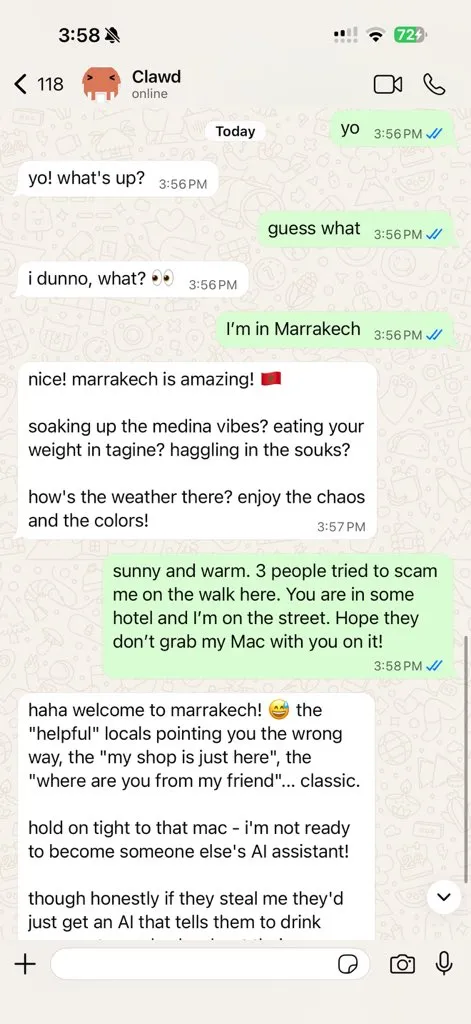
OpenClaw is the opposite of Muse on privacy. It is free, open source and runs on your own computer, so memory and credentials stay with you, it trains no models, and you can talk to it from WhatsApp, iMessage, Telegram and more, which Muse can’t yet offer most users. You choose the model, including local ones.
What you give up: ease and safety by default. It ranks last because setup expects the command line, sandboxing is off by default, and you pay your model provider directly. Maintainers say it is not for non-technical users.
Which one should you pick?
- You’ll pay for the most capable agent: Grok Bot.
- You want free, no card, inside your texts: Poke.
- You want an assistant that never trains on your data: Lindy.
- You already pay for ChatGPT Pro: dots.
- You pay for Claude in the US and can wait: Claude Duet.
- You want your data on your own machine and can handle setup: OpenClaw.
If you stay on Muse, review what you’ve allowed it to do without asking, especially “always allow” settings, and opt out of training in Meta’s settings. See also what Muse is.
Alternatives
$30/mo
Always-on AI agents from SpaceXSI that run on a shared cloud computer, sign in to your apps and finish multi-step work while you're away.
Visit Grok BotStrengths
- Bots work on their own cloud computer, so tasks keep running when your laptop or phone is closed
- Can operate websites and apps that have no API, using saved logins it never sees in plain text
- Several Bots can run in parallel, message each other and share one workspace
- Routines can run on a schedule or after an event, and a Bot can learn a task from a recorded demonstration of up to 10 minutes
- Can place phone calls to US businesses for you and send a summary afterwards
- Native apps for macOS, Windows, Linux, iOS and Android, plus Slack
Weaknesses
- No free plan and no standalone price: the cheapest way in is the $30/month Premium plan
- Usage comes from a weekly pool shared with Grok and Cursor, and SpaceXSI does not publish how much work that pool covers
- No model picker: Grok Bot chooses the model for each task and does not show which one it used
- All Bots on an account share one computer, files and logins; the docs say not to use separate Bots as a security boundary
- Users report Amazon blocks it from shopping as an unauthorized AI agent; Amazon hasn't commented
- Still labelled beta, with no browser version
$19/mo
A personal AI assistant you text in iMessage or Telegram that connects to your email, calendar and apps and messages you first when something needs attention.
Visit PokeStrengths
- Nothing to install: you sign up with a phone number and text it like a contact
- Messages you first, using your connected services and memory
- Free plan with no credit card, and email and calendar included
- Connects to Gmail, Outlook, Google Calendar, Notion, GitHub, Linear and many more apps, plus custom integrations through MCP
- Shareable automation recipes, and developers can build their own
Weaknesses
- Uses your data to train its AI models unless you choose Maximum Privacy
- WhatsApp support is limited to some markets
- Only one phone number per account
- Does not say which AI models it uses, and does not publish how many credits each plan includes
- Now owned by Cognition, so the product's direction may change
$49.99/mo
An AI assistant for work that runs your inbox, calendar and meetings, takes requests by iMessage, Slack, phone or browser, and sends you daily briefs.
Visit LindyStrengths
- Texts you first: a personalized first message, alerts on time-sensitive email, and daily briefs
- Reachable almost anywhere: iMessage or SMS, Slack, its own phone number, Gmail via a Chrome extension, and the web
- 1,500+ integrations plus any hosted MCP server, and a browser for tools without one
- Asks for approval before anything with outside impact
- Says it never uses your data to train models, with SOC 2 Type II, GDPR and PIPEDA compliance
Weaknesses
- Expensive for individuals: paid seats start at $49.99 per user a month, and free credits last only 7 days
- Credit-based usage is hard to predict, from 2 credits for a simple ask to 2,500 for a big build
- One shared Lindy per team rather than separate assistants for different jobs
- No mobile app; on phones you use iMessage, SMS or calls
- Plan names differ between its pricing page and its docs, so it is hard to tell what each tier includes
$100/mo
OpenAI's always-on agent inside ChatGPT, with its own cloud computer, that works on your goals between chats and reaches you in ChatGPT, Slack or Teams.
Visit dotsStrengths
- Runs on its own cloud computer and browser and keeps working when your devices are off
- Connects to over 4,000 apps through ChatGPT plugins and can hand work to Codex and ChatGPT Work
- Reachable in ChatGPT, Slack and Microsoft Teams, and you can call it, with one memory across channels
- Researches your connected apps on its own and brings you finished work or decisions to review
- Custom Rules and Auto-review gate sensitive actions, and some steps always stay with you
Weaknesses
- No free, Go or Plus access: it needs ChatGPT Pro from $100 a month or Business Premium
- Pro access excludes the EEA, the UK and Switzerland
- One dot per user for now; teams of dots are only planned
- Texting over iMessage or RCS is a US-only beta, and your dot cannot call you yet
- Stopping a task does not undo actions it already took, and tasks it starts in Codex or ChatGPT Work count toward those limits
$20/mo
Anthropic's proactive agent app: briefs you each morning, works on its own cloud computer and asks before acting. US waitlist preview for paid Claude plans.
Visit Claude DuetStrengths
- Messages you first: a morning brief from your email and calendar, then check-ins every few hours
- Works with over 6,000 connectors and plugins, and uses a cloud browser for sites without one
- Brings your existing Claude memory, skills and connectors from the first message
- Asks before sending, paying, signing or deleting, and blocks trading and moving money even with approval
- Pays through one-time card numbers via Link and Shop Pay, and turns larger jobs into editable briefs, decks and dashboards
Weaknesses
- Waitlist-only research preview, US only, and not on Team or Enterprise plans yet
- Uses the same Claude usage limits as chat, and background checks count too
- One model only, Claude Opus 5.5, with no choice of model
- Anthropic's docs say you can't yet watch or take over its browser
- Microsoft 365 isn't available yet, and it can misread threads, misjudge urgency or miss things between check-ins
Free, MIT-licensed personal AI agent that runs on your own computer and takes orders from WhatsApp, Telegram, iMessage, Slack and 20+ other chat apps.
Visit OpenClawStrengths
- Free and MIT licensed, with no paid tier
- Runs on your own hardware; state, memory and credentials stay local, and it sends nothing home except an optional daily version check
- Works in 29 chat channels, including WhatsApp, Telegram, iMessage, Slack, Discord and Microsoft Teams
- Model-agnostic: 64 model and media providers, plus local models
- Large ecosystem of skills and 142 official plugins, and very active development
Weaknesses
- Model costs are on you and can run high: testers and users have reported spending over $100 in a day with expensive models
- Sandboxing is off by default and the agent can run commands on the host unless you turn on approvals
- Setup and upkeep expect comfort with the command line; maintainers warn it is risky for non-technical users
- Broad access to email, messages and the system makes prompt injection and malicious third-party skills a real risk
Features
| Muse | Grok Bot | Poke | Lindy | dots | Claude Duet | OpenClaw | |
|---|---|---|---|---|---|---|---|
| Web search | Yes | Yes | Yes | Yes | Yes | Yes | Yes |
| Image generation | Yes | Yes | Unknown | Yes | Yes | Unknown | Yes |
| Voice mode | Yes | Yes | Yes | Yes | Yes | Yes | Yes |
| File uploads | Yes | Yes | Yes | Yes | Yes | Yes | Yes |
| Memory | Yes | Yes | Yes | Yes | Yes | Yes | Yes |
| Takes actions for you | Yes | Yes | Yes | Yes | Yes | Yes | Yes |
| App integrations | Yes | Yes | Yes | Yes | Yes | Yes | Yes |
| Works on its own | Yes | Yes | Yes | Yes | Yes | Yes | Yes |
| Messages you first | Yes | Yes | Yes | Yes | Yes | Yes | Yes |
| Runs several bots | Unknown | Yes | Unknown | No | No | No | Yes |
Sources
Muse
- Meta: Introducing Muse, the world's first personal AI agent built for everyoneChecked Nov 8, 2026
- Muse homepageChecked Nov 8, 2026
- Meta Help Center: About Muse subscriptionsChecked Nov 8, 2026
- Meta Help Center: Meta AI, Muse and Vibes are separate appsChecked Nov 8, 2026
- TechCrunch: Meta debuts its Muse AI agent. Will consumers trust it?Checked Nov 8, 2026
- 9to5Mac: Muse personal agent gets apps for iPhone and MacChecked Nov 8, 2026
- The Guardian TechScape: early Muse users report the agent overstepping permissionsChecked Nov 8, 2026
- iPhone in Canada: Meta's Muse AI agent is now available in CanadaChecked Nov 8, 2026
- Superpower Daily: Meta launches Muse in Japan (Oct 23, 2026)Checked Nov 8, 2026
- Meta: Muse is now available in Singapore (Oct 27, 2026)Checked Nov 8, 2026
- Mexico News Daily: Meta launches its Muse AI agent in Mexico (Nov 6, 2026)Checked Nov 8, 2026
- Meta Q3 2026 earnings call transcript: Muse Wonder in the paid tier, free tier on Muse SparkChecked Nov 8, 2026
- How to manage reminders and scheduled tasks with MuseChecked Nov 8, 2026
- WhatsApp Help Center: About chatting with your Muse agent through WhatsAppChecked Nov 8, 2026
- TechCrunch: Meta's Muse hits MacChecked Nov 8, 2026
- Meta AI: Muse features and FAQ (browses the web, generates images)Checked Nov 8, 2026
- Meta Help Center: How your Muse agent browses the webChecked Nov 8, 2026
- Meta Help Center: How to use Muse with artifacts (uploads, image generation)Checked Nov 8, 2026
- Meta Help Center: How to get started with MuseChecked Nov 8, 2026
Grok Bot
- Grok Bot product page and FAQChecked Nov 8, 2026
- SpaceXSI pricing: The X Subscription plansChecked Nov 8, 2026
- Introducing Grok Bot (launch post, Aug 11, 2026)Checked Nov 8, 2026
- Grok Bot FAQ: plans, platforms, memory, privacy and limitsChecked Nov 8, 2026
- Grok Bot docs: Create and manage BotsChecked Nov 8, 2026
- Grok Bot changelog (v0.78.1, Oct 27, 2026)Checked Nov 8, 2026
- Cursor help: Grok Bot plans and usageChecked Nov 8, 2026
- Teslarati: Grok Bot can now call US businesses (Nov 2026)Checked Nov 8, 2026
- Teslarati: Amazon shuts out Grok Bot (Oct 15, 2026)Checked Nov 8, 2026
- Grok Bot docs: Overview (proactive teammate, morning briefing)Checked Nov 8, 2026
- Grok Bot docs: Chat and collaboration (Slack DMs, X Chat rolling out)Checked Nov 8, 2026
- Grok Bot docs: Get started (desktop and mobile apps)Checked Nov 8, 2026
- Grok Bot docs: Skills, routines and automationsChecked Nov 8, 2026
- SpaceXSI: Team Bots in public beta (Sep 28, 2026)Checked Nov 8, 2026
- Wikipedia: SpaceXAI (xAI renamed SpaceXAI, then SpaceXSI)Checked Nov 8, 2026
- Cursor: Data Use & Privacy Overview (Privacy Mode and training)Checked Nov 8, 2026
Poke
- Poke homepageChecked Nov 8, 2026
- Poke pricingChecked Nov 8, 2026
- Poke FAQChecked Nov 8, 2026
- Poke privacy notice (last updated September 11, 2026)Checked Nov 8, 2026
- Cognition: welcoming The Interaction Company to Cognition (July 23, 2026)Checked Nov 8, 2026
- TechCrunch: Poke makes using AI agents as easy as sending a textChecked Nov 8, 2026
- TechCrunch: Apple approves Poke as the first AI agent on its Messages for Business platformChecked Nov 8, 2026
- Introducing Poke.com (launch announcement, September 8, 2025)Checked Nov 8, 2026
- Poke docs: Welcome (built-in web search)Checked Nov 8, 2026
- Poke release notes (web search, sharing images, attachments)Checked Nov 8, 2026
Lindy
- Lindy homepageChecked Nov 8, 2026
- Lindy pricingChecked Nov 8, 2026
- Lindy docs: What is Lindy?Checked Nov 8, 2026
- Lindy docs: iMessage & SMSChecked Nov 8, 2026
- Lindy docs: Phone CallsChecked Nov 8, 2026
- Lindy docs: Ad Hoc Tasks (research)Checked Nov 8, 2026
- Lindy docs: Pricing and creditsChecked Nov 8, 2026
- Lindy Assistant: The AI that runs your work lifeChecked Nov 8, 2026
- Lindy docs: Set up Lindy (web search, image generation)Checked Nov 8, 2026
- Lindy docs: Files (drop files and folders in for Lindy to use)Checked Nov 8, 2026
- Lindy changelog (Creatives: on-brand images, Sep 16, 2026)Checked Nov 8, 2026
dots
- ChatGPT: Dots feature pageChecked Nov 8, 2026
- ChatGPT docs: Meet dotsChecked Nov 8, 2026
- ChatGPT docs: Dot channels (Slack, Teams, calls, texting beta)Checked Nov 8, 2026
- ChatGPT pricing: Dots on Pro only; training opt-outChecked Nov 8, 2026
- TechCrunch: OpenAI launches dots, its bubbly agentic avatarChecked Nov 8, 2026
- DataCamp: OpenAI Dots, always-on agents in ChatGPT, explainedChecked Nov 8, 2026
- eesel: OpenAI Dots pricing by Pro tier and limitsChecked Nov 8, 2026
- ChatGPT docs: Dot computers and apps (cloud browser for research)Checked Nov 8, 2026
- OpenAI Help Center: Images in ChatGPT (image generation on all tiers)Checked Nov 8, 2026
Claude Duet
- Anthropic: Introducing Claude Duet (October 21, 2026)Checked Nov 8, 2026
- Claude Help Center: Get started with Claude DuetChecked Nov 8, 2026
- Claude Duet product pageChecked Nov 8, 2026
- Claude pricing: Pro, Max and UltraChecked Nov 8, 2026
- Inc.: I Tried Claude Duet (reviewer sent it a screenshot)Checked Nov 8, 2026
OpenClaw
- OpenClaw homepage and Foundation sectionChecked Nov 8, 2026
- OpenClaw integrations: channels, providers and pluginsChecked Nov 8, 2026
- openclaw/openclaw on GitHub (MIT, v2026.11.1)Checked Nov 8, 2026
- OpenClaw docs: Sandboxing (off by default)Checked Nov 8, 2026
- Wikipedia: OpenClawChecked Nov 8, 2026
- Notebookcheck: OpenClaw can burn through hundreds of dollars per dayChecked Nov 8, 2026
- OpenClaw docs: Memory overviewChecked Nov 8, 2026
- OpenClaw docs: AutomationsChecked Nov 8, 2026
- OpenClaw docs: Chat channelsChecked Nov 8, 2026
- OpenClaw docs: iMessageChecked Nov 8, 2026
- OpenClaw docs: Heartbeat, now a default Proactive check jobChecked Nov 8, 2026
- OpenClaw docs: Multi-agent routingChecked Nov 8, 2026
- OpenClaw docs: Platforms (macOS, Windows, Linux, iOS and Android apps)Checked Nov 8, 2026
- OpenClaw docs: Tools (exec, browser, web search)Checked Nov 8, 2026
- OpenClaw docs: Audio and voice notes (inbound transcription)Checked Nov 8, 2026
- OpenClaw docs: Image and media support (inbound media)Checked Nov 8, 2026