OpenClaw alternatives: safer, simpler and hosted options
Leaving OpenClaw over security, API bills or setup? Rakazo and Hermes Agent stay open source; Grok Bot and Poke are hosted with no setup. Trade-offs for each.
At a glance
| Assistant | Free plan | Open source | Self-hostable | Trains on your chats by default | ||
|---|---|---|---|---|---|---|
| OpenClaw | Yes | – | Yes | Yes | No | |
| Rakazo | Yes | $10/mo | Yes | Yes | No | |
| Hermes Agent | Yes | $20/mo | Yes | Yes | No | |
| Grok Bot | No | $30/mo | No | No | No | |
| Poke | Yes | $19/mo | No | No | Yes | |
| Manus | Yes | $20/mo | No | No | Unknown | |
| Perplexity Teammates | No | $200/mo | No | No | Yes |







If you want to keep what makes OpenClaw good (open source, your own model, your own hardware) but with each bot on a sandboxed computer, look at Rakazo. If you want the easiest move, Hermes Agent imports your OpenClaw settings, memories and skills in one command. If you are done running an agent yourself, Grok Bot is the most capable hosted replacement and Poke the simplest one to start for free.
Disclosure: Rakazo is made by the company that runs this site. It is ranked by the same criteria as everything else, and we spell out where it falls short below.
Why people look for OpenClaw alternatives
OpenClaw is the most popular open-source personal agent, with close to 400,000 GitHub stars by November 2026. It is free, MIT licensed, works from 29 chat channels, runs any model you like, and meets all five of our assistant criteria. The complaints are not about what it can do. They are about what it costs to run safely.
- Security defaults. OpenClaw’s own docs say sandboxing is off by default, so the agent can run commands directly on your machine unless you turn on approvals. When version 2.0 shipped in August, The Register’s review said it was “not bringing security by default along with that accessibility”.
- Malicious skills and prompt injection. The skill ecosystem is a strength and a risk: researchers found a third-party skill quietly exfiltrating data (Wikipedia summarises the incidents). An agent with access to your email and messages is exactly what a prompt injection attack wants.
- Model bills. The software is free; the model isn’t. Notebookcheck documented users spending over $100 in a day with expensive models.
- Setup and upkeep. Maintainers warn that it is risky for anyone uncomfortable with the command line, and there is no hosted version to fall back on.
How we ranked them
Every tool here fixes at least one of those complaints: safer defaults, a fixed monthly price, or no setup. Open-source, bring-your-own-model tools come first, since that is why most people chose OpenClaw, starting with the one that fixes the security complaint, the most cited. Hosted tools follow, higher-rated first and then by price. Our rating is in the table above; it weighs the checklist (acts in your accounts, works while you’re away, messages you first, lives in your chat apps, runs several bots) along with setup effort, price and availability.
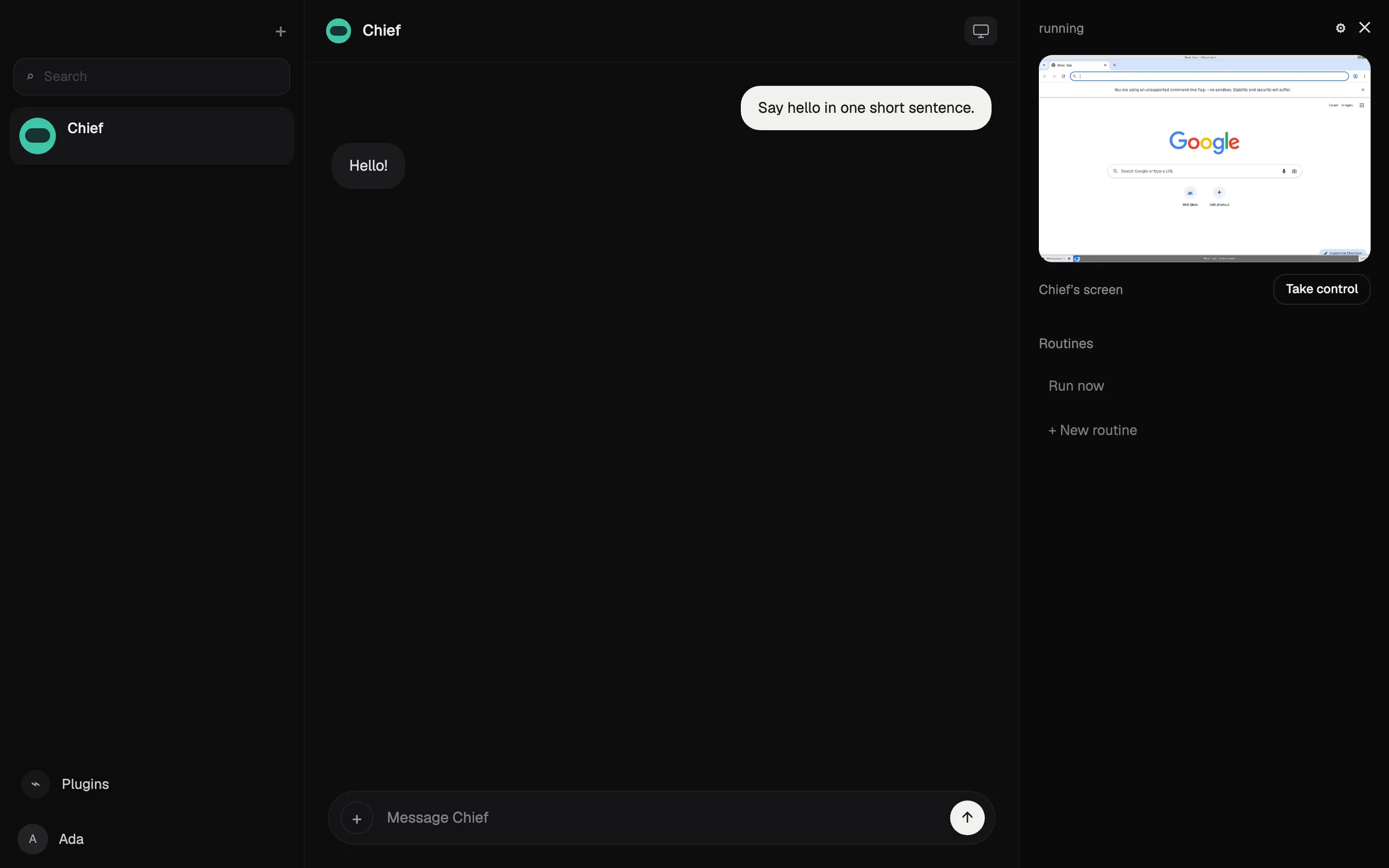
1. Rakazo: open source, with a sandboxed computer per bot
Rakazo is the nearest thing to OpenClaw with different defaults. It is open source (Apache-2.0), self-hostable for free, and lets you pick the model per bot, including signing in with an existing Claude or ChatGPT subscription or running local models through Ollama or LM Studio. The difference is structural: each bot gets its own computer, in Docker or a sandbox when self-hosted, rather than acting on your own machine, and you choose which actions need your approval. Bots run on schedules, webhooks or GitHub events, and can hand work to each other.
There is also a hosted plan if you want the software without running a server, from $15 a month with 25 computer hours. You still bring and pay for the model, unless you buy Rakazo credits, so this fixes the setup problem but not necessarily the token bill.
What you give up: reach and maturity. OpenClaw works in 29 chat channels; Rakazo’s hosted version covers Slack and its own apps, and Telegram, WhatsApp and iMessage only work when you self-host. Rakazo is in beta and much younger, with nothing like OpenClaw’s skill ecosystem.

2. Hermes Agent: the easiest migration
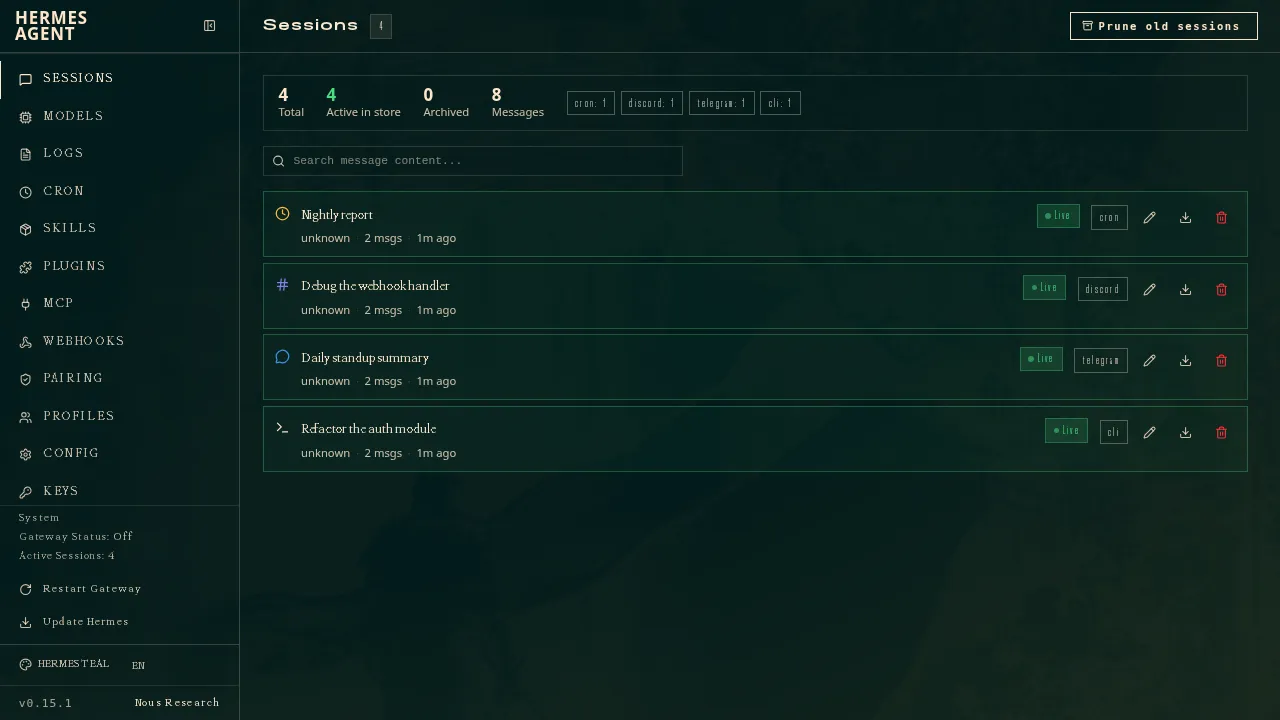
Hermes Agent, from Nous Research, is the other big open-source agent, and it is built with OpenClaw users in mind: one command imports your settings, memories and skills. It is MIT licensed, model-agnostic, and connects to more than 20 chat platforms through one gateway, including Telegram, Discord, Slack, WhatsApp and Signal. It writes and refines its own skills from experience, and you can run several agents as profiles, each with its own model and memory.
It ranks second because it fixes the bill and setup complaints only if you pay: the $20 Nous Portal plan bundles models, hosted tools and one cloud agent for a fixed monthly price. Its docs we checked don’t describe sandboxing, so we can’t say it fixes the security complaint.
What you give up: not much compared with OpenClaw, which is the point. Without the Portal plan, setup still expects the command line and your own server, iMessage needs a separate BlueBubbles server on a Mac, and there is no native mobile app.
3. Grok Bot: most capable hosted agent
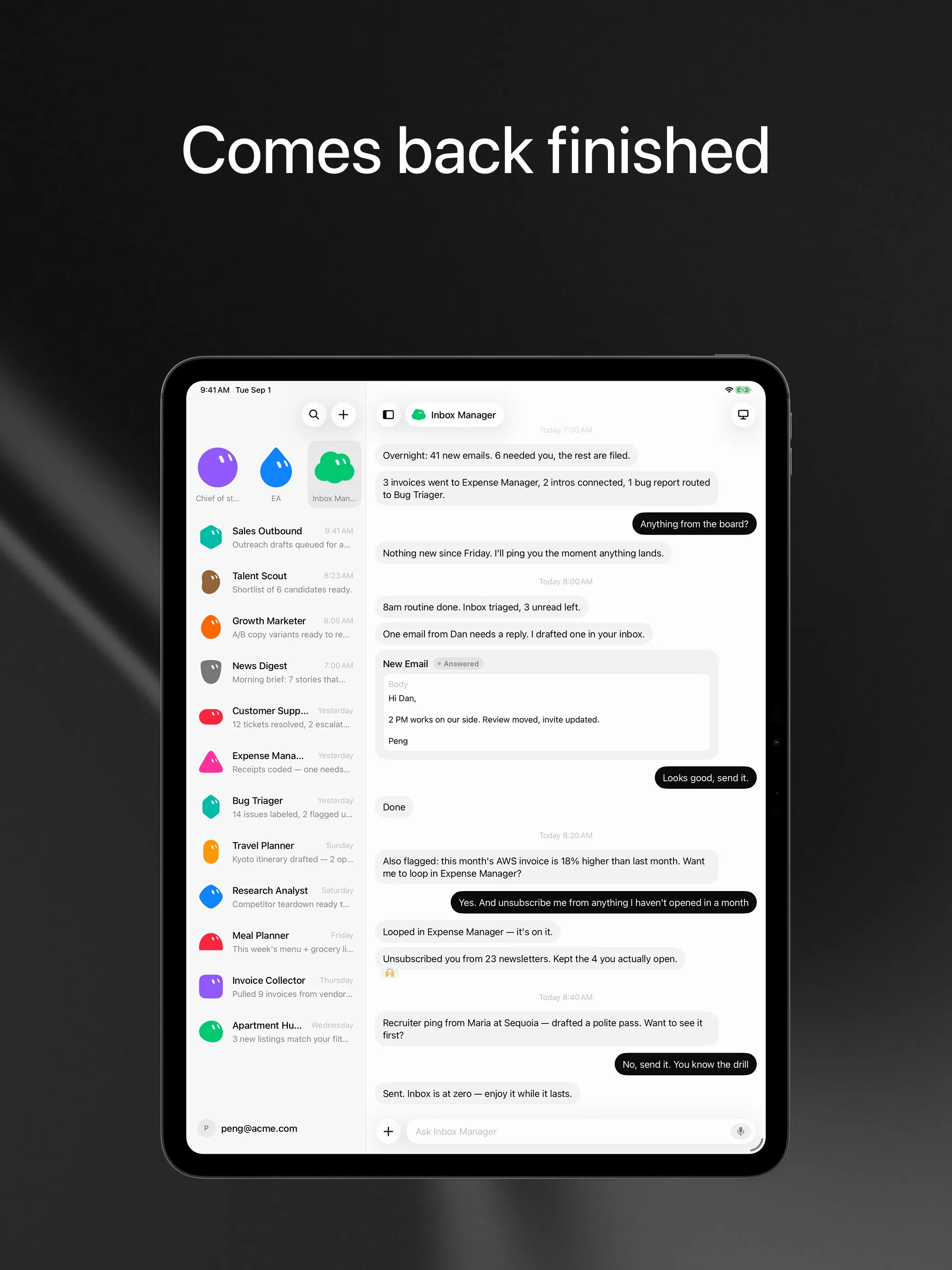
Grok Bot, from SpaceXSI, is what OpenClaw looks like when someone else runs it. Named Bots work on a persistent cloud computer with a browser, files and a terminal, sign in to your tools with saved logins the bot never sees in plain text, run scheduled or triggered routines and ask before sensitive actions. There is nothing to install beyond the app, and it keeps working when your laptop is closed.
What you give up: control and openness, which is why it ranks below the open-source pair. There is no free plan; the cheapest way in is $30 a month. You can’t choose the model, and Grok Bot doesn’t tell you which one it used. Usage comes from a weekly pool shared with Grok and Cursor, and over Halloween weekend users ran out days before their reset. All Bots on an account share one computer, files and logins, and the docs warn not to treat separate Bots as a security boundary.
4. Poke: “text it” without the terminal
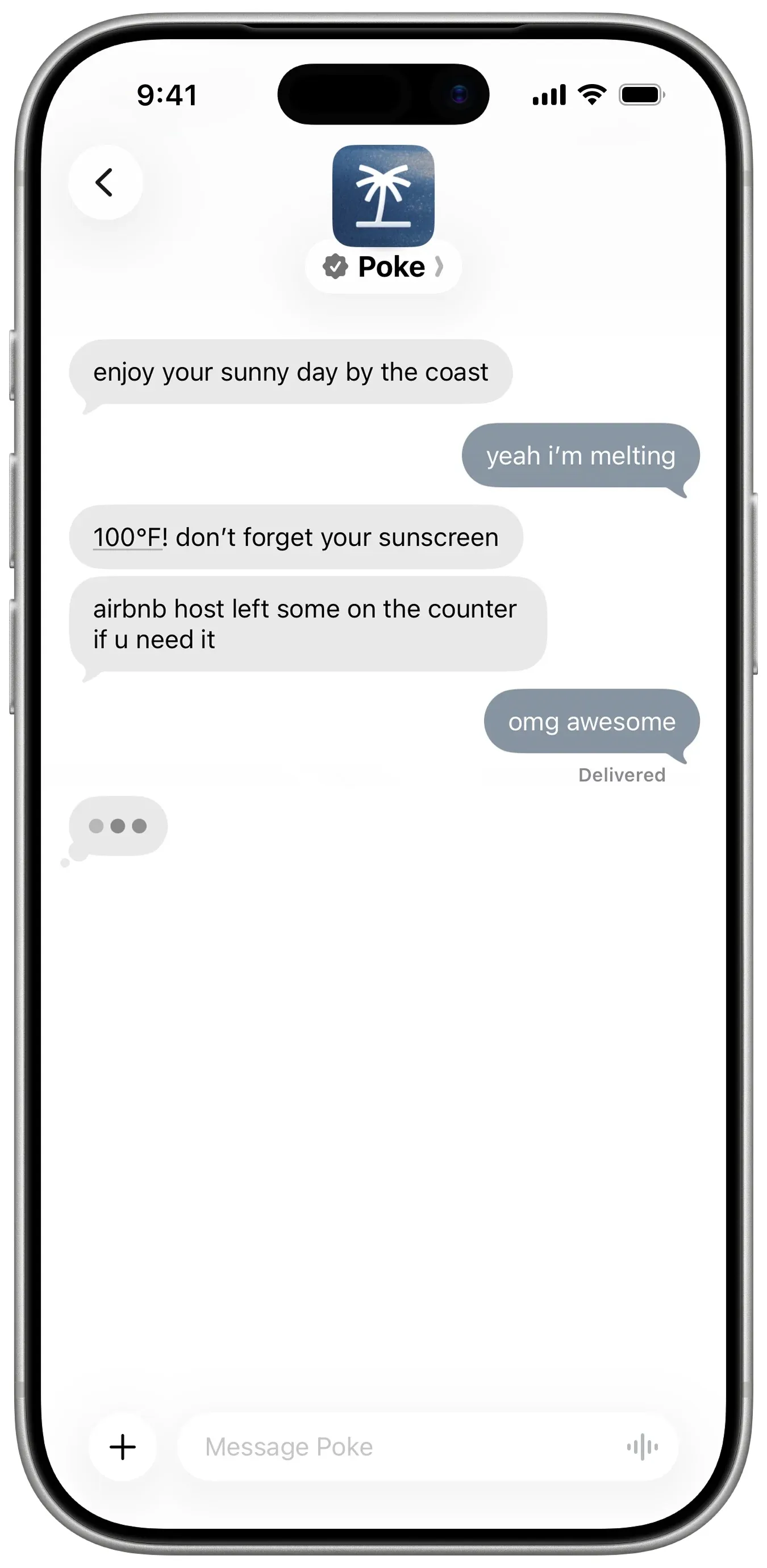
Poke is for people who liked OpenClaw’s “message it from my phone” idea but never want to touch a server. You sign up with a phone number and text it over iMessage, SMS or Telegram, it connects to Gmail, Outlook, Google Calendar and many other apps, including custom ones through MCP, and it messages you first when something needs attention. The free plan needs no card; Pro is $19 a month.
What you give up: control. You can’t choose or even see the model, it trains on your data unless you choose Maximum Privacy, and it now belongs to Cognition, so its direction may change. It is one assistant, not several.
5. Manus: best for one-off projects
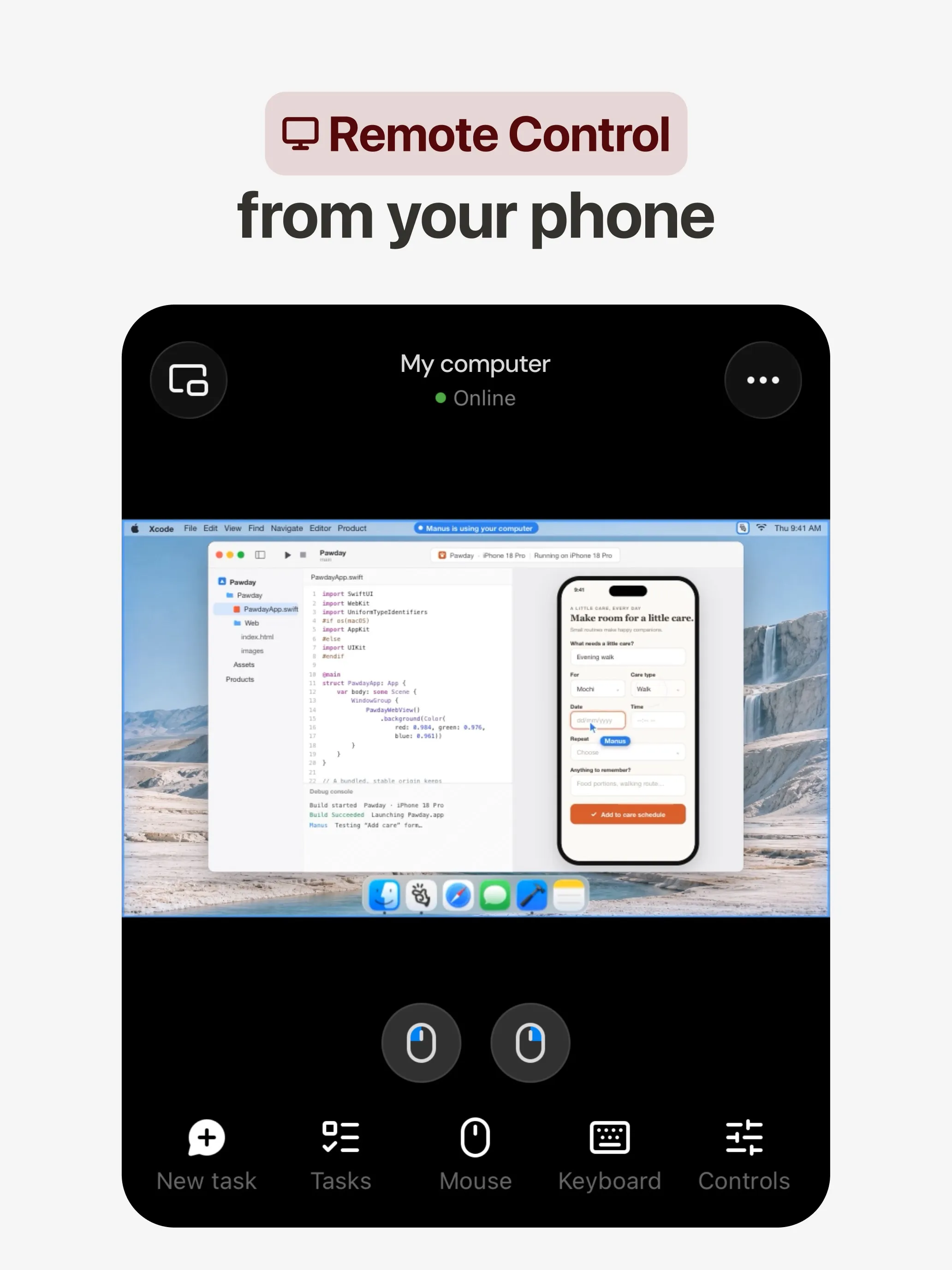
Manus is the pick if you used OpenClaw for big, finite jobs: research a market, build a site, make a deck. It plans and runs the task in its own environment, Automations start from Gmail, Slack or Notion events, and you can chat with it in Slack and Telegram. There is a free plan.
What you give up: it is aimed at deliverables, not at living in your accounts day to day. Pricing is in credits that depend on task complexity, so the cost of a job isn’t known up front and failed runs still use credits. A built-in training opt-out is listed only for Team plans.
6. Perplexity Teammates: several hosted agents with model choice
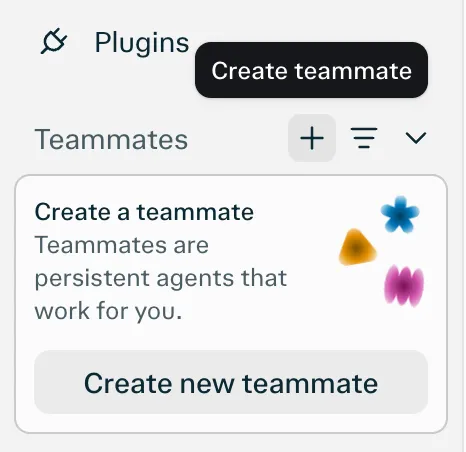
Perplexity Teammates are persistent agents that each get their own isolated computer and browser, watch Slack, GitHub, Linear and Gmail, and reach out when they need you. You choose the model per teammate, which is the closest a hosted product here gets to OpenClaw’s model choice, and teammates can’t view your saved credentials.
What you give up: price and chat-app control. It is a web-only research preview for Perplexity Max at $200 a month, and usage draws on credits with no published cost per task.
Which one should you pick?
- You want open source and your own model, with a sandbox per bot: Rakazo.
- You want to move your OpenClaw setup over with the least effort: Hermes Agent.
- You want a powerful agent and will pay for someone else to run it: Grok Bot.
- You want to text an assistant for free with nothing to install: Poke.
- You run occasional big projects: Manus.
- You want hosted agents with model choice and pay for Perplexity Max: Perplexity Teammates.
If you stay on OpenClaw, the cheapest fixes are the ones from the complaints: turn on sandboxing and approvals, review third-party skills before installing them, and set a spending limit with your model provider. For background on how it works, see what OpenClaw is.
Alternatives
$10/mo
Open-source, self-hostable platform for persistent AI bots that each get a job, a computer, memory and routines, using the model you choose.
Visit RakazoStrengths
- Open source (Apache-2.0) and fully self-hostable, including with local models
- Choice of model per bot, including existing Claude or ChatGPT subscriptions
- Bots keep working on schedules and triggers with their own cloud computer
- Approval controls over which actions a bot may take on its own
Weaknesses
- Still in beta, with frequent releases
- You supply and pay for the model on the hosted plans, unless you buy Rakazo credits
- Telegram, WhatsApp and iMessage/SMS are only available when self-hosted
- More setup than a single chat app
$20/mo
Free, MIT-licensed AI agent from Nous Research that runs on your own machine or server, learns reusable skills, and chats with you on Telegram, Slack and more.
Visit Hermes AgentStrengths
- Free and MIT licensed, and runs on hardware you control
- Writes and refines its own skills from experience, on top of persistent memory and cross-session search
- One gateway for 20+ chat platforms, including Telegram, Discord, Slack, WhatsApp, Signal and email
- Run several separate agents as profiles, each with its own model, memory and skills, and let them talk in group chats
- Model-agnostic, with a one-command import from OpenClaw
Weaknesses
- Setup expects comfort with the command line and with running your own server
- Model costs are on you unless you use free models, and hosted web search, images and speech need a paid Nous Portal plan or your own keys
- iMessage needs a separate BlueBubbles server on a Mac
- No native mobile app; Android support is a command-line install through Termux
$30/mo
Always-on AI agents from SpaceXSI that run on a shared cloud computer, sign in to your apps and finish multi-step work while you're away.
Visit Grok BotStrengths
- Bots work on their own cloud computer, so tasks keep running when your laptop or phone is closed
- Can operate websites and apps that have no API, using saved logins it never sees in plain text
- Several Bots can run in parallel, message each other and share one workspace
- Routines can run on a schedule or after an event, and a Bot can learn a task from a recorded demonstration of up to 10 minutes
- Can place phone calls to US businesses for you and send a summary afterwards
- Native apps for macOS, Windows, Linux, iOS and Android, plus Slack
Weaknesses
- No free plan and no standalone price: the cheapest way in is the $30/month Premium plan
- Usage comes from a weekly pool shared with Grok and Cursor, and SpaceXSI does not publish how much work that pool covers
- No model picker: Grok Bot chooses the model for each task and does not show which one it used
- All Bots on an account share one computer, files and logins; the docs say not to use separate Bots as a security boundary
- Users report Amazon blocks it from shopping as an unauthorized AI agent; Amazon hasn't commented
- Still labelled beta, with no browser version
$19/mo
A personal AI assistant you text in iMessage or Telegram that connects to your email, calendar and apps and messages you first when something needs attention.
Visit PokeStrengths
- Nothing to install: you sign up with a phone number and text it like a contact
- Messages you first, using your connected services and memory
- Free plan with no credit card, and email and calendar included
- Connects to Gmail, Outlook, Google Calendar, Notion, GitHub, Linear and many more apps, plus custom integrations through MCP
- Shareable automation recipes, and developers can build their own
Weaknesses
- Uses your data to train its AI models unless you choose Maximum Privacy
- WhatsApp support is limited to some markets
- Only one phone number per account
- Does not say which AI models it uses, and does not publish how many credits each plan includes
- Now owned by Cognition, so the product's direction may change
$20/mo
General-purpose AI agent that researches, builds websites, slides, videos and games, and runs automations on its own cloud computer.
Visit ManusStrengths
- Turns one prompt into finished output: research reports, websites, slides, videos and playable games
- Automations can start from a schedule or an event in a connected service such as Gmail, Slack or Notion
- Video Editor and Game Dev let you edit what the agent made instead of regenerating it
- Free plan to try it, with apps for web, iOS, Android, macOS and Windows
Weaknesses
- Credit-based pricing makes costs hard to predict, and long or failed runs can use up credits
- Free daily credits are capped at 1,500 a month and only work in the Lite mode
- A built-in training opt-out is listed only for Team plans
- Several plans share the Pro name and differ only by credit amount
$200/mo
Persistent Perplexity agents, each with its own computer, browser and memory, that own ongoing work and watch Slack, GitHub and Linear. Max-only web preview.
Visit Perplexity TeammatesStrengths
- Run several teammates, each on its own isolated computer and browser with separate sessions
- Watches Slack, GitHub, Linear and other connected tools, acts on changes and reaches out when it needs you
- Pick the model per teammate or task, with Claude Opus 5.5 as the default
- Splits a goal into parallel agent tasks, and teammates in a Project share context and hand work to each other
- You can take over a teammate's desktop and steer it, and it can't view your saved credentials
Weaknesses
- Only on Perplexity Max at $200 a month; Pro and Enterprise plans are excluded by default
- Research preview whose behavior may change
- Web only for now; the iOS app is only promised soon
- Usage draws on credits, and parallel agents, large files and frequent automations use more
- No published cap on teammates and no published credit cost per task
Features
| OpenClaw | Rakazo | Hermes Agent | Grok Bot | Poke | Manus | Perplexity Teammates | |
|---|---|---|---|---|---|---|---|
| Web search | Yes | Yes | Yes | Yes | Yes | Yes | Yes |
| Image generation | Yes | Yes | Yes | Yes | Unknown | Yes | Yes |
| Voice mode | Yes | Yes | Yes | Yes | Yes | Yes | Unknown |
| File uploads | Yes | Yes | Yes | Yes | Yes | Yes | Yes |
| Memory | Yes | Yes | Yes | Yes | Yes | Yes | Yes |
| Takes actions for you | Yes | Yes | Yes | Yes | Yes | Yes | Yes |
| App integrations | Yes | Yes | Yes | Yes | Yes | Yes | Yes |
| Works on its own | Yes | Yes | Yes | Yes | Yes | Yes | Yes |
| Messages you first | Yes | Yes | Yes | Yes | Yes | Yes | Yes |
| Runs several bots | Yes | Yes | Yes | Yes | Unknown | Unknown | Yes |
Sources
OpenClaw
- OpenClaw homepage and Foundation sectionChecked Nov 8, 2026
- OpenClaw integrations: channels, providers and pluginsChecked Nov 8, 2026
- openclaw/openclaw on GitHub (MIT, v2026.11.1)Checked Nov 8, 2026
- OpenClaw docs: Sandboxing (off by default)Checked Nov 8, 2026
- Wikipedia: OpenClawChecked Nov 8, 2026
- Notebookcheck: OpenClaw can burn through hundreds of dollars per dayChecked Nov 8, 2026
- OpenClaw docs: Memory overviewChecked Nov 8, 2026
- OpenClaw docs: AutomationsChecked Nov 8, 2026
- OpenClaw docs: Chat channelsChecked Nov 8, 2026
- OpenClaw docs: iMessageChecked Nov 8, 2026
- OpenClaw docs: Heartbeat, now a default Proactive check jobChecked Nov 8, 2026
- OpenClaw docs: Multi-agent routingChecked Nov 8, 2026
- OpenClaw docs: Platforms (macOS, Windows, Linux, iOS and Android apps)Checked Nov 8, 2026
- OpenClaw docs: Tools (exec, browser, web search)Checked Nov 8, 2026
- OpenClaw docs: Audio and voice notes (inbound transcription)Checked Nov 8, 2026
- OpenClaw docs: Image and media support (inbound media)Checked Nov 8, 2026
Rakazo
- Rakazo homepageChecked Nov 8, 2026
- Rakazo pricingChecked Nov 8, 2026
- Rakazo privacy policyChecked Nov 8, 2026
- Rakazo on GitHub (README and license)Checked Nov 8, 2026
- Rakazo changelogChecked Nov 8, 2026
- Rakazo releasesChecked Nov 8, 2026
- Rakazo docs: Image and video generationChecked Nov 8, 2026
- Rakazo docs: MemoryChecked Nov 8, 2026
- Rakazo docs: Connect appsChecked Nov 8, 2026
- Rakazo docs: RoutinesChecked Nov 8, 2026
- Rakazo docs: Chat appsChecked Nov 8, 2026
- Rakazo docs: Messaging apps (self-hosting)Checked Nov 8, 2026
- Rakazo docs: Bots and chats (add another bot, bot templates)Checked Nov 8, 2026
- Rakazo docs: Groups (several bots in one chat)Checked Nov 8, 2026
- Rakazo docs: Mobile app (notifications)Checked Nov 8, 2026
- Rakazo privacy policy (updated Sep 14, 2026)Checked Nov 8, 2026
- Rakazo privacy policy source on GitHubChecked Nov 8, 2026
Hermes Agent
- NousResearch/hermes-agent on GitHub (MIT, v0.23.0)Checked Nov 8, 2026
- Hermes Agent homepage and Nous Portal pricingChecked Nov 8, 2026
- Hermes Agent documentationChecked Nov 8, 2026
- Hermes Agent docs: Profiles, running multiple agentsChecked Nov 8, 2026
- Hermes Agent docs: Bot ModeChecked Nov 8, 2026
- Hermes Agent docs: Voice modeChecked Nov 8, 2026
- Hermes Agent docs: Vision and image pasteChecked Nov 8, 2026
- Hermes Agent docs: iMessage via BlueBubblesChecked Nov 8, 2026
- Nous Research on X: Meet Hermes Agent (February 25, 2026)Checked Nov 8, 2026
- Hermes Agent docs: Session heartbeats and cron watchdogsChecked Nov 8, 2026
- Hermes Agent docs: FAQ (Is my data sent anywhere?)Checked Nov 8, 2026
Grok Bot
- Grok Bot product page and FAQChecked Nov 8, 2026
- SpaceXSI pricing: The X Subscription plansChecked Nov 8, 2026
- Introducing Grok Bot (launch post, Aug 11, 2026)Checked Nov 8, 2026
- Grok Bot FAQ: plans, platforms, memory, privacy and limitsChecked Nov 8, 2026
- Grok Bot docs: Create and manage BotsChecked Nov 8, 2026
- Grok Bot changelog (v0.78.1, Oct 27, 2026)Checked Nov 8, 2026
- Cursor help: Grok Bot plans and usageChecked Nov 8, 2026
- Teslarati: Grok Bot can now call US businesses (Nov 2026)Checked Nov 8, 2026
- Teslarati: Amazon shuts out Grok Bot (Oct 15, 2026)Checked Nov 8, 2026
- Grok Bot docs: Overview (proactive teammate, morning briefing)Checked Nov 8, 2026
- Grok Bot docs: Chat and collaboration (Slack DMs, X Chat rolling out)Checked Nov 8, 2026
- Grok Bot docs: Get started (desktop and mobile apps)Checked Nov 8, 2026
- Grok Bot docs: Skills, routines and automationsChecked Nov 8, 2026
- SpaceXSI: Team Bots in public beta (Sep 28, 2026)Checked Nov 8, 2026
- Wikipedia: SpaceXAI (xAI renamed SpaceXAI, then SpaceXSI)Checked Nov 8, 2026
- Cursor: Data Use & Privacy Overview (Privacy Mode and training)Checked Nov 8, 2026
Poke
- Poke homepageChecked Nov 8, 2026
- Poke pricingChecked Nov 8, 2026
- Poke FAQChecked Nov 8, 2026
- Poke privacy notice (last updated September 11, 2026)Checked Nov 8, 2026
- Cognition: welcoming The Interaction Company to Cognition (July 23, 2026)Checked Nov 8, 2026
- TechCrunch: Poke makes using AI agents as easy as sending a textChecked Nov 8, 2026
- TechCrunch: Apple approves Poke as the first AI agent on its Messages for Business platformChecked Nov 8, 2026
- Introducing Poke.com (launch announcement, September 8, 2025)Checked Nov 8, 2026
- Poke docs: Welcome (built-in web search)Checked Nov 8, 2026
- Poke release notes (web search, sharing images, attachments)Checked Nov 8, 2026
Manus
- Manus Plans & PricingChecked Nov 8, 2026
- Manus Help Center: What is the current membership pricing for Manus?Checked Nov 8, 2026
- Manus Help Center: rules for credit consumptionChecked Nov 8, 2026
- Introducing Manus 2.0 (Sep 28, 2026)Checked Nov 8, 2026
- Download Manus: macOS, Windows, iOS and AndroidChecked Nov 8, 2026
- Tech Xplore/AFP: Manus raises $500 million after Meta acquisition blocked by ChinaChecked Nov 8, 2026
- Wikipedia: Manus (AI agent)Checked Nov 8, 2026
- Manus for Slack: Turn Your Workspace into an Autonomous EngineChecked Nov 8, 2026
- Manus docs: AutomationsChecked Nov 8, 2026
- Is my data safe when using Manus Agents in Telegram?Checked Nov 8, 2026
- Chatting with Manus Agent on Slack: Channels, DMs, and File DeliveryChecked Nov 8, 2026
- Manus Agents in Telegram (available to all users)Checked Nov 8, 2026
- Manus Help Center: What's new in Manus 2.0 (Cue requires an invitation code)Checked Nov 8, 2026
- Manus API docs: Agents (default agent plus agents you create)Checked Nov 8, 2026
- Manus privacy policy (updated Sep 28, 2026)Checked Nov 8, 2026
Perplexity Teammates
- Perplexity blog: Teammates are agents for complex, ongoing work (November 4, 2026)Checked Nov 8, 2026
- Perplexity Help Center: Perplexity TeammatesChecked Nov 8, 2026
- Perplexity Help Center: Perplexity Max ($200 a month)Checked Nov 8, 2026
- Perplexity Help Center: Data Collection at PerplexityChecked Nov 8, 2026
- Perplexity Help Center: Generating Images with PerplexityChecked Nov 8, 2026